Twelve Christmases to Break Even: The Tree Math Nobody Puts on the Lot Sign
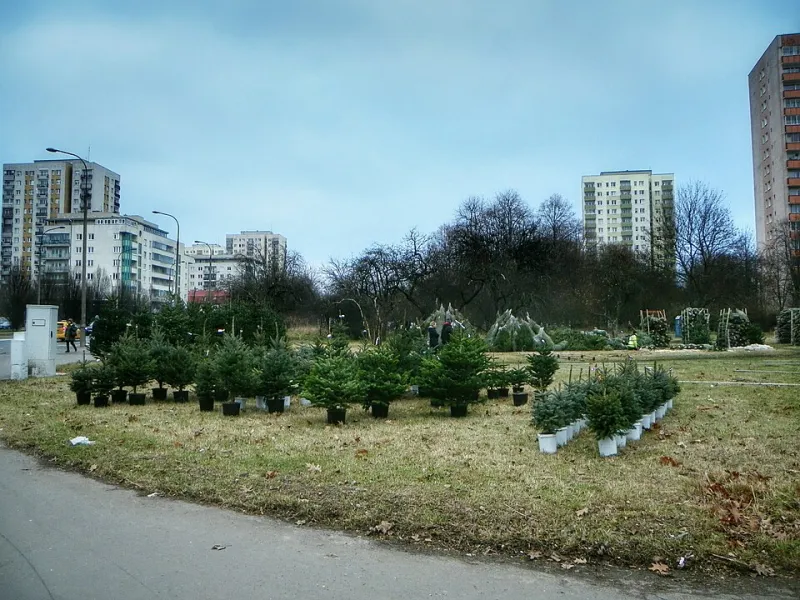
Photo: E961, CC BY 4.0, via Wikimedia Commons
Every December, someone in your family says the fake tree is better for the planet because you reuse it, and someone else says the real tree is better because it's a plant. Both are working from a Facebook post from 2011. Let's do the arithmetic properly this year, and then you can be smug at dinner with actual numbers.
What a farmed tree really costs the atmosphere
Most US Christmas trees come from North Carolina, Oregon, Michigan, Pennsylvania, and Wisconsin. A seven-footer takes roughly seven to ten years to grow. While it's in the ground, it's sequestering carbon in wood and roots — call it 10 to 20 kg of CO2 over its life, depending on species and size.
Here's the part people skip: cutting down a tree doesn't release a net puff of carbon, because the farm replants. What you have is a rotating field acting as a modest, steady carbon sink as long as demand holds. Christmas trees are also an unusually low-input crop — mostly hand-worked, lightly fertilized, rarely sprayed.
The costs land after harvest: diesel for mowing and hauling, a truck ride to the lot, and disposal. Add it up and a farmed tree delivered locally and properly disposed of runs roughly 2 to 6 kg of CO2e per tree. Field to living room, one holiday.
Now the largest single variable in the whole comparison, which almost nobody accounts for: how you got to the lot. A sixty-mile round trip in an SUV, which is completely normal in exurban America, is about 25 kg of CO2e. That is four to ten times the footprint of the tree itself. You can drive the sustainable choice right out of the winner's circle.
The artificial tree's long, slow payback
That plastic fir in the garage is PVC needles on steel wire, overwhelmingly manufactured in China and container-shipped across the Pacific. Cradle-to-gate, most credible estimates put a six- to seven-foot artificial tree at roughly 30 to 40 kg of CO2e before it goes up once.
Run the division against a 3 kg real tree and the break-even lands near ten to thirteen uses. Against a 6 kg real tree, closer to six or seven. So the frequently quoted 'twelve years' is a defensible working number in 2026, roughly in the middle of a fairly wide range.
The catch is the assumption nobody audits. Industry surveys have consistently found that households replace their artificial tree well before twelve years — often around six to nine. Move, basement flood, a broken stand, a new house with taller ceilings, or simply a better-looking model at the big-box store, and the payback never happens. Every early replacement resets the clock to zero, and that old tree goes to a landfill where PVC will outlast your grandchildren.
Two options that get ignored
Rental trees. Nurseries and garden centers in a growing number of US metros rent out potted evergreens or reuse cut trees season to season. Typically $40 to $100. The carbon math is excellent — the tree is used many times and the manufacturing cost never recurs — but the same transport rule applies. Rent from somewhere within a reasonable drive, not from a boutique two counties over.
Potted living trees. Buy a three- to four-foot potted fir for $60 to $120, keep it inside for a maximum of seven to ten days, harden it off gradually, and plant it in spring. If it survives, this is the best option on the board by a mile: a permanent tree, no landfill, no PVC, no truck.
If it dies in the garage in February — and a lot of them do, because heated living rooms break dormancy and a cold snap finishes the job — you've bought the most expensive option and the worst outcome. Living trees work best when you have a plan for the planting spot before you buy, and a cool porch to stage it on.
Where disposal quietly flips the result
The tree's fate matters more than the tree.
- Municipal curbside chipping or a drop-off mulching program. This is the good outcome. The carbon goes back into soil within a season. Check your city's dates in early December, because a lot of programs have narrowed since 2024.
- Yard waste landfill. A tree buried in an anaerobic landfill generates methane, which is roughly 80 times more potent than CO2 over twenty years. Add an estimated 3 to 5 kg of CO2e and your real tree starts looking like a plastic one.
- Burning it in the fireplace. Charming, and a genuine particulate matter problem indoors. Skip it unless you like creosote.
- Flocked trees. The fake snow makes them ineligible for many municipal compost programs. If you want flocking, know that you have chosen landfill.
- The artificial tree to the curb. A 40 kg footprint of PVC and steel that no US recycling stream will touch. Donate it, or commit to using it until it disintegrates.
A decision tree, since we're here
- Already own a fake tree? Use it. Every additional year is free carbon. Stop feeling guilty and stop shopping.
- No tree, no storage space, apartment dweller? Rental is your move, or a small live rosemary or potted fir you can actually keep alive.
- Have a yard and a plan? Potted living tree, planted in spring, wins.
- Traditionalist with a car? Farmed tree from a lot within twenty miles, chipped in January, no flocking.
- Considering a new artificial tree? Only if you can honestly say you'll keep it past 2035.
The point of the exercise
The real-versus-fake question has consumed an absurd share of December for a decision that represents a few kilograms of CO2 in a household whose annual footprint is measured in tons. It's not nothing — it's just small.
Which means the useful move isn't agonizing over the lot sign. It's choosing the option you'll genuinely reuse, keeping the drive short, and making sure the thing gets chipped instead of buried. Three decisions, ten minutes, and a tree that doesn't undo itself in the dumpster.