Plastic-Free or Just Plastic-Shifty? We Audited 30 Brands and the Results Are Uncomfortable
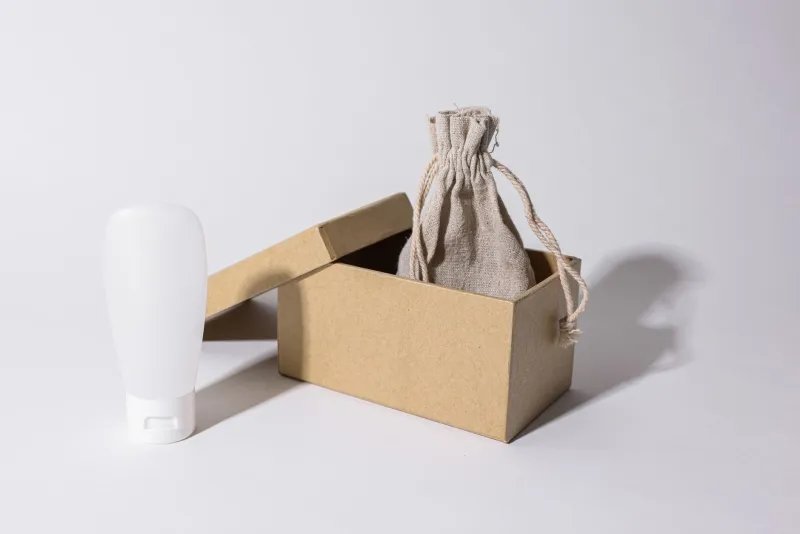
Somewhere between the cheerful bamboo illustrations and the earthy kraft-paper fonts, a lot of American shoppers are getting misled. 'Plastic-free' has become one of the hottest claims in consumer packaging — and one of the least regulated. There's no federal standard. No third-party certification body with real teeth. No mandatory definition of what 'free' actually means when plastic components are buried inside a label, a liner, or a shipping poly-mailer you never even see.
So we went digging. Over the past several months, we investigated 30 brands across six product categories — personal care, household cleaning, food and snacks, apparel accessories, baby products, and pet supplies — that prominently feature 'plastic-free' messaging in their marketing. We reviewed product ingredient lists, packaging disclosures, third-party certifications, supply chain statements, and, where available, sustainability reports. We also ordered products directly and physically examined the packaging.
What we found ranges from genuinely impressive to quietly infuriating.
What 'Plastic-Free' Actually Means — Legally Speaking
Here's the uncomfortable starting point: in the US, it means almost nothing enforceable. The FTC's Green Guides offer some guidance on environmental marketing claims, but 'plastic-free' isn't specifically defined. Brands have wide latitude to interpret the term however is most convenient for their marketing team.
In practice, we found three dominant strategies companies use when they call themselves plastic-free:
Genuine elimination — removing plastic from primary packaging and making meaningful supply chain changes to avoid it entirely.
Material substitution — swapping visible plastic for another material (often aluminum, glass, or paper) while quietly retaining plastic in secondary packaging, adhesives, coatings, or shipping materials.
Scope narrowing — technically accurate claims that apply only to a single product line, a specific component, or a defined percentage of SKUs, while the rest of the portfolio stays largely unchanged.
The third strategy is where things get really slippery.
The Brands That Are Actually Doing It
Let's start with the good news, because it exists.
Seven of the 30 brands we audited earned what we're calling a Genuine rating — meaning their plastic-free claims held up across primary packaging, secondary packaging, and available supply chain documentation.
A standout in the personal care category is a direct-to-consumer shampoo bar brand that not only uses zero plastic in its outer packaging but ships orders in recycled cardboard mailers sealed with paper tape. Their manufacturing partner disclosures were unusually transparent, and they've published third-party audits of their production facility. That's the bar. Literally.
In the household cleaning space, one refillable concentrate brand uses aluminum vessels with no plastic lining and offers a mail-back program for empties. Their supply chain documentation isn't perfect, but they acknowledge the gaps — which, honestly, is more than most brands bother to do.
Small brands with direct supply chains and founder-led transparency consistently outperformed larger players. That's not a coincidence.
The Shell-Game Artists
Now for the uncomfortable middle — 14 brands we rated Partial or Misleading.
One well-known snack company prominently advertises 'plastic-free packaging' on its website and retail shelf displays. What they mean, it turns out, is that the outer bag is made from a certified compostable material. What they don't mention prominently: the inner moisture barrier is a thin plastic film laminate. The product is not recyclable in standard curbside programs, and the compostable bag requires industrial composting infrastructure that most US consumers don't have access to.
A baby-product brand in our sample markets its wipe packaging as 'plastic-free' — the dispenser box is cardboard. The wipes themselves, however, contain polyester fibers. The brand's FAQ page does disclose this if you scroll far enough. But the front-of-pack claim creates a strong impression that's not quite accurate.
We also found a popular personal care line that made 'plastic-free' claims exclusively about its bar soap, while its liquid products — which represent the majority of its revenue — remain in conventional plastic bottles. The claim is technically true. The overall impression it creates is not.
The Ones That Straight-Up Failed
Nine brands in our audit received a Greenwashing rating. These are companies where the plastic-free claim appeared to be primarily a marketing decision with minimal operational substance behind it.
One apparel accessories brand sells 'plastic-free' tote bags — the bag itself is cotton canvas — but ships them individually wrapped in poly-bags inside a plastic-taped cardboard box. Their sustainability page has no supply chain disclosures, no third-party certifications, and consists almost entirely of aspirational language about their 'commitment to the planet.'
A pet supply brand takes a similar approach, advertising 'plastic-free treat packaging' while its primary product line — pet toys — uses synthetic rubber and plastic components throughout, with no disclosure or plan for those materials.
The pattern among failing brands is consistent: the claim is narrow, the marketing is broad, and the accountability infrastructure simply doesn't exist.
What to Actually Look For Before You Buy
After auditing 30 brands, here's the practical consumer checklist we'd recommend:
Check the full packaging stack. Does 'plastic-free' apply to the outer box, the inner liner, the shipping materials, and the product itself? Or just one of those?
Look for third-party verification. Claims backed by certifications from organizations like How2Recycle, the Plastic Free Trust, or B Corp (which includes supply chain scrutiny) carry more weight than self-declared badges.
Read the FAQ and sustainability pages critically. Genuine brands tend to acknowledge what they haven't solved yet. Greenwashing brands tend to avoid specifics entirely.
Search for what's not on the label. If a brand claims plastic-free packaging but you can't find any information about their shipping practices, that's a gap worth questioning.
Ask directly. Email the brand. Ask specifically whether their shipping materials, inner liners, and manufacturing processes are also plastic-free. How they respond — and how quickly — tells you a lot.
The Bigger Picture
Plastic pollution is a genuine crisis. The US generates more plastic waste per capita than almost any other country on earth, and our recycling infrastructure is, to put it gently, not keeping up. Consumer pressure on brands to change their packaging practices is a legitimate and necessary force.
But that pressure only works if it's directed accurately. When 'plastic-free' becomes a meaningless marketing phrase — when it can mean anything from full elimination to swapping one polymer for another — consumers lose the ability to reward the brands that are actually doing the hard work.
The seven brands in our Genuine category deserve your attention and your dollars. The nine in our Greenwashing category deserve pointed questions and, frankly, some public accountability.
Shop smarter. Ask harder questions. And maybe — just maybe — hold off on buying the product with the bamboo illustration until you've actually read what's inside the box.
EcoConsum's brand audit methodology includes product purchase and physical inspection, review of publicly available sustainability documentation, supply chain disclosures, and third-party certifications. Brands were not contacted for comment prior to publication. Full brand names and individual scorecards are available in our extended research database.