Your Dog's 'Sustainable' Chew Toy Might Be the Least Green Thing in Your House
Let's be honest — pet owners are some of the most passionate, motivated shoppers on the planet. If you love your dog or cat the way most Americans do, you're probably willing to pay extra for products that feel like they're doing right by the world your pet lives in. That's a genuinely good impulse. The problem is that the pet industry has figured out exactly how to exploit it.
The US pet market crossed $150 billion in annual spending a few years back and hasn't slowed down. Tucked inside that number is a fast-growing slice dedicated to eco-friendly pet products — organic treats, hemp rope toys, biodegradable poop bags, plant-based kibble, and recycled-material beds. The packaging is earthy. The fonts are friendly. The certifications look impressive. And yet, when you actually dig into what these products do to the planet over their full lifespan, the picture gets a lot messier.
The Lifespan Problem Nobody Talks About
Here's the question that most eco-pet marketing conveniently sidesteps: how long does the thing actually last?
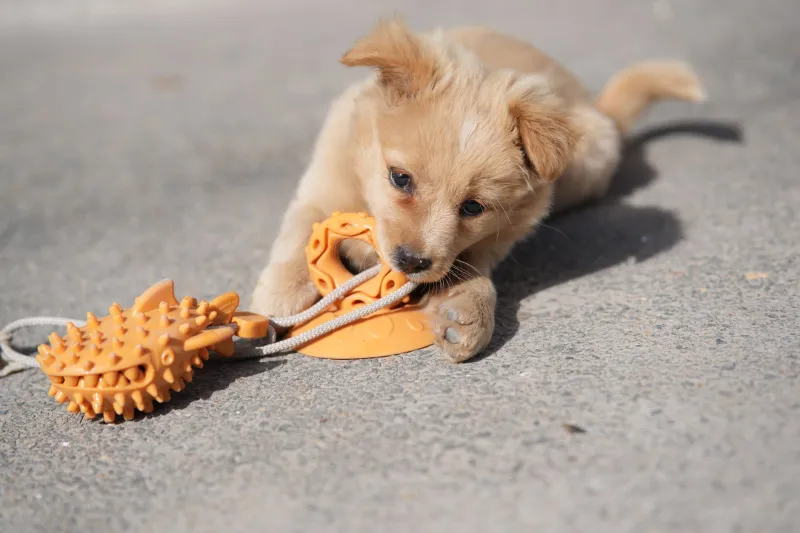
A standard rubber chew toy — the kind that's been around since your parents had a dog — can survive years of aggressive chewing. It's not glamorous. It's definitely not made from organic Himalayan yak milk or sustainably harvested bamboo. But it sits in the toy basket for three, four, sometimes five years before it needs replacing.
Contrast that with a lot of eco-branded alternatives. Natural fiber rope toys fray fast. Biodegradable chews, by design, disappear quickly. Toys made from recycled materials often sacrifice durability for sustainability optics. When a product needs to be replaced every few weeks instead of every few years, the carbon cost of manufacturing, packaging, and shipping that product multiplies dramatically. A toy that lasts five years and gets made once is almost always a better environmental bet than one that gets made, shipped, and tossed twelve times in the same period.
This isn't a niche concern. It's a core flaw in how the eco-pet category has developed — optimizing for how a product sounds rather than how it actually performs over time.
Supply Chains That Would Make Your Head Spin
There's another layer here that's worth unpacking: where this stuff actually comes from.
A lot of eco-pet products lean hard on ingredients or materials that sound local and wholesome but travel extraordinary distances to reach your doorstep. Yak chews sourced from Nepal. Hemp rope toys manufactured in Southeast Asia. 'Sustainably harvested' fish treats with origin stories that span three continents before they hit an Amazon warehouse. The supply chains behind premium, natural pet products are often significantly more complex — and carbon-intensive — than those behind conventional alternatives made domestically.
This isn't to say global sourcing is automatically wrong. But when a brand's entire pitch is environmental responsibility, the shipping footprint is a legitimate part of the equation. A beef-based chew made at a facility two states away from your zip code might have a fraction of the transport emissions of an artisanal Icelandic fish skin treat that crossed an ocean in a refrigerated container.
Biodegradable Doesn't Mean What You Think
Few terms in the eco-pet space get thrown around more carelessly than 'biodegradable.' It sounds like a promise: use this, and it disappears harmlessly back into the earth. The reality is considerably more complicated.
Most products labeled biodegradable require specific conditions — industrial composting facilities, particular temperature ranges, controlled humidity — to actually break down in anything resembling a reasonable timeframe. Toss a 'biodegradable' poop bag into a standard landfill, and it may sit there for decades, behaving more or less identically to a conventional plastic bag. The same goes for certain food packaging, toy components, and accessories.
The biodegradable label tells you something about what a product could do under ideal circumstances. It tells you very little about what it will actually do given the realities of American waste infrastructure, where less than 5% of plastic gets meaningfully recycled and industrial composting access remains limited for most households.
Organic Treats and the Ingredient Rabbit Hole
Organic pet treats occupy a fascinating and frustrating corner of this conversation. The organic certification on a dog biscuit does carry some real meaning — it reflects farming practices that avoid synthetic pesticides and prioritize soil health. That matters. But it's also one piece of a much larger puzzle.
Organic ingredients tend to require more land and more water per unit of output than conventionally farmed equivalents, at least in certain crop categories. Organic doesn't automatically mean lower emissions. And when you factor in that many premium organic pet treats are produced in small batches, shipped through specialty distributors, and packaged in materials that aren't actually recyclable despite looking natural, the environmental math gets genuinely murky.
None of this means you should abandon organic pet food entirely. It means you should ask harder questions than the label is designed to answer.
So What Should You Actually Do?
The goal here isn't to make you feel bad about caring. It's to redirect that care toward choices that actually deliver on their promises.
Prioritize durability above all else. Before you buy any pet toy or accessory, ask yourself how long it's realistically going to last. A product that survives years of use almost always beats a 'greener' alternative that needs replacing every month.
Look for domestic production. All else being equal, a product made in the US carries a smaller transport footprint than one that crossed an ocean. Check the 'made in' label, not just the marketing copy.
Question the biodegradable claim. Ask whether the product requires industrial composting to biodegrade, and whether you actually have access to that infrastructure. If the answer is no, the claim is largely decorative.
Think about the treat-to-nutrition ratio. Some of the most eco-conscious things you can do for your pet involve their main diet, not their treats — choosing food with lower-impact protein sources, minimizing packaging waste on bulk purchases, and avoiding overfeeding.
Resist the upgrade cycle. The pet industry, like every other consumer category, profits when you replace things. That new eco-certified toy hitting your Instagram feed is only worth buying if what you have genuinely needs replacing.
The Bigger Picture
Loving your pet and caring about the planet aren't in conflict. But the version of 'sustainable pet ownership' that the market is selling you — premium, branded, constantly refreshed — often serves corporate interests more than environmental ones.
The most sustainable pet product in your house is probably the one that's already there, still doing its job. The second most sustainable choice is a durable, long-lasting replacement when the time actually comes — regardless of whether it has a leaf logo on the packaging.
Shop smarter for your pet. Ask the questions the marketing doesn't want you to ask. Your dog doesn't care if the toy is organic. The planet cares whether you bought it once or twelve times.