One Month, One Trash Bag: A Real-World Guide to Auditing Your Plastic Waste
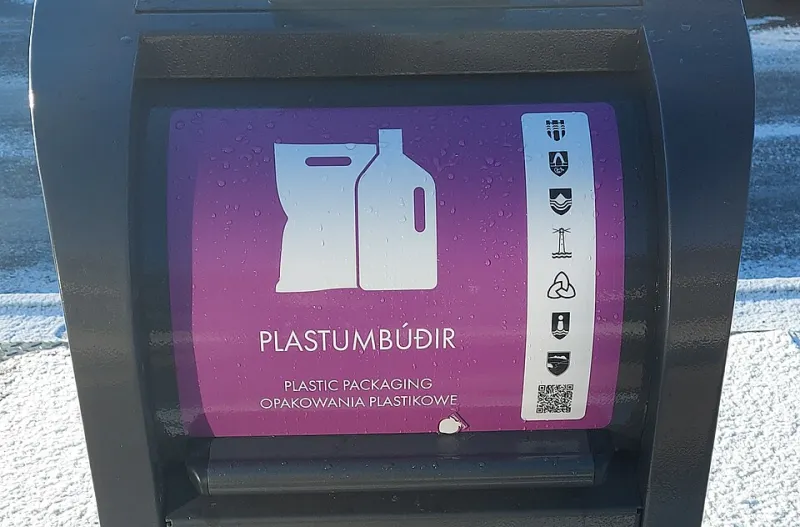
Photo: Akigka, CC0, via Wikimedia Commons
Let's be honest. Most of us have a general sense that we use too much plastic. We feel a little twinge when we toss another zip-lock bag or grab a plastic-wrapped cucumber at the grocery store. But feelings aren't data, and data is exactly what you need if you actually want to change something.
The average American generates about 4.9 pounds of trash every single day. A significant chunk of that is plastic—and a lot of it is single-use stuff that existed for roughly 11 minutes before heading to a landfill (or, more likely, not making it there at all). Here's the thing though: you can't fix what you haven't measured. So before you overhaul your entire lifestyle, start with 30 days of honest observation. That's it. One month. A notepad. And the willingness to look your habits square in the face.
Why a Personal Plastic Audit Actually Works
There's a reason environmental educators and zero-waste advocates keep coming back to the audit as a starting point—it works because it's specific to you. Generic statistics about ocean plastic or landfill overflow are important, but they're also easy to distance yourself from. When you know that you personally generated 47 single-use plastic items in week one, that number has a completely different emotional weight.
Audits also reveal patterns you'd never notice otherwise. Maybe you're pretty disciplined about reusable bags but you're quietly running through a dozen plastic produce bags every grocery trip. Maybe your bathroom is the real culprit—shampoo bottles, cotton swab packaging, razor wrappers. You won't know until you look.
Setting Up Your 30-Day Audit: The Basics
You don't need a spreadsheet or a special app (though both can help). Here's what actually matters:
Get a dedicated bin. For the entire month, every piece of plastic you would normally toss goes into a separate container before disposal. A cardboard box works fine. This is your audit bin—don't cheat it.
Keep a simple log. A notes app on your phone, a sticky pad on the fridge, whatever you'll actually use. Every day, jot down the category of plastic you tossed. Categories to track: food packaging, beverage containers, personal care, cleaning products, household/miscellaneous, and takeout/delivery.
Don't change your behavior yet. This is the hardest part for motivated people. The whole point of week one and two is to capture your baseline. If you start swapping things out immediately, you lose the honest starting point. Resist the urge. There will be plenty of time to fix things.
Include everything. Plastic wrap. The little sticker on your apple. The tag on your new shirt. The bubble mailer from that online order. Straws. Lids. If it's plastic and you're discarding it, it goes in the log.
Week One and Two: Just Watch
Spend the first two weeks purely in observation mode. You might be surprised—or you might be genuinely shocked. Either way, stay curious rather than judgmental. This isn't about shame; it's about information.
At the end of week two, do a quick tally. How many items per day, on average? Which category is generating the most waste? Is there a specific shopping trip or habit that's clearly driving volume? Circle the top three offenders. Those become your targets.
For most American households, food packaging tends to dominate—think plastic produce bags, clamshell containers for berries, snack wrappers, deli containers, and the notorious shrink-wrapped everything. Beverages come in close second, especially if your household drinks bottled water or single-serve beverages regularly.
Week Three: Start Swapping Strategically
Now you get to act—but strategically, not frantically. Trying to eliminate all plastic at once is a recipe for burnout. Instead, pick your top three waste categories and make one targeted swap for each.
For food packaging: Bring your own reusable mesh produce bags to the grocery store (they weigh almost nothing and cost under $15 for a set). Choose loose produce over pre-packaged whenever possible. Buy bulk dry goods—beans, grains, nuts—from bulk bins using your own containers at stores like Whole Foods, Natural Grocers, or your local co-op.
For beverages: If bottled water is a habit, a quality water filter pitcher (Brita, ZeroWater, or Clearly Filtered) combined with a reusable stainless bottle eliminates that category almost entirely. For sparkling water lovers, a SodaStream pays for itself within a few months.
For personal care: This is where the swap options have genuinely exploded in recent years. Shampoo bars from brands like HiBar or Ethique replace plastic bottles entirely. Package-free deodorant, bamboo toothbrushes, and refillable razors (check out Albatross Designs or the classic safety razor) are all widely available now.
For cleaning products: Concentrated refill systems are a game-changer. Brands like Blueland and Grove Collaborative offer tablet-based cleaners that ship in minimal packaging and dissolve in your existing spray bottle. One small tablet = one full bottle of cleaner. The math on plastic reduction here is significant.
Week Four: Measure the Difference
By week four, you've had about 10 days of intentional swapping. Now compare. Pull out your week-one log and your week-four log side by side. What moved? What didn't? Where are the stubborn holdouts?
Be real with yourself here. Some plastic is genuinely hard to avoid in the current American consumer landscape—particularly around meat and dairy packaging, electronics, and medical supplies. That's a systems problem, not a personal failure. Your job isn't perfection; it's progress that you can actually sustain.
Calculate a rough percentage reduction. Even a 20-30% drop in your monthly plastic waste is meaningful, especially multiplied across a household over a full year. And now you have a baseline to beat next month.
Turning Your Data Into Lasting Change
The audit doesn't end at day 30—that's just when it gets interesting. Use your findings to make smarter decisions going forward: shop at stores that support bulk buying, choose brands that use minimal or recyclable packaging, and get comfortable asking retailers why certain products are wrapped in five layers of plastic when one would do.
Consumer pressure works. When enough shoppers start making different choices—and telling companies why—it moves markets. Your 30-day audit is personal, but it connects to something much bigger: a growing movement of Americans who are done accepting unnecessary waste as the default.
You've got the data now. Use it.