Love Your Pet, Wreck the Planet? The Hard Truth About Premium Pet Food Culture
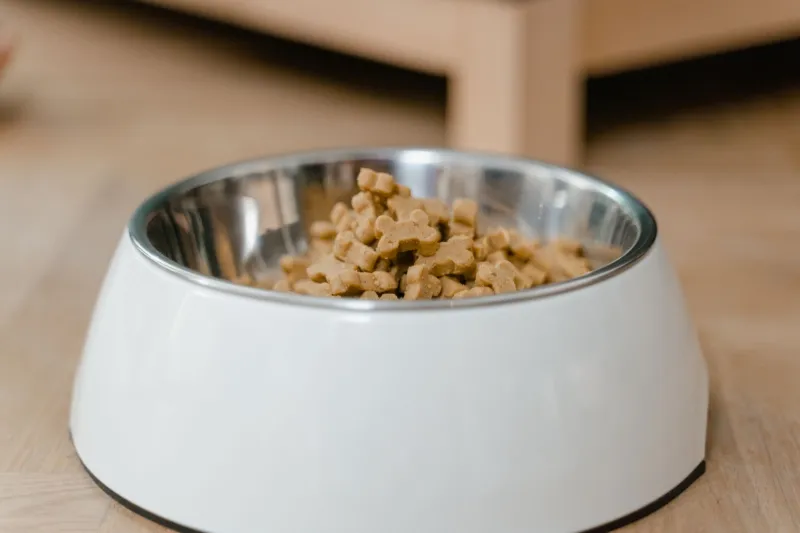
American pet owners love their animals with a ferocity that is, frankly, kind of beautiful. We buy them birthday cakes. We follow Instagram accounts dedicated to their naps. We spend more on veterinary care than most countries spend on human healthcare per capita. And increasingly, we feed them like we wish we fed ourselves: organic proteins, wild-caught fish, heritage-breed lamb, air-dried raw formulas that cost more per ounce than a decent steak.
The pet food industry has been extraordinarily good at meeting this energy. Premium pet food is one of the fastest-growing segments in US consumer packaged goods — and it's been built almost entirely on the transfer of human food values onto animal nutrition. Grain-free because we're afraid of carbs. High-protein because we're doing keto. Sustainably sourced because we care about the planet.
But here's the thing: the sustainability claims in this industry are among the weakest and least scrutinized in any consumer category. And the environmental footprint of premium pet food culture is, by any honest accounting, enormous.
How Big Is This Problem, Actually?
Let's start with scale. Americans own approximately 90 million dogs and 94 million cats. The pet food market topped $42 billion in US sales in 2023, with premium and super-premium segments growing at roughly twice the rate of the overall category.
A 2017 study published in PLOS ONE — one of the most cited analyses of pet food's environmental footprint — estimated that US dogs and cats consume enough animal-derived calories to make them, if they were a country, the fifth-largest meat-consuming nation on Earth. The associated land use, water consumption, and greenhouse gas emissions are staggering: the study estimated US pets generate roughly 64 million tons of CO₂-equivalent emissions annually through their diet alone.
That was before the premium pet food boom really hit its stride.
The Problem With Feeding Your Dog Like a Paleo Crossfitter
Here's where the environmental math gets particularly uncomfortable: premium pet food, almost by definition, has a larger carbon footprint than conventional pet food.
Conventional pet food has historically been built on by-products — the parts of the animal that humans don't eat. Heart, liver, lung, bone meal, rendered fat. From a sustainability standpoint, this is actually pretty smart: it captures nutritional value from parts of the animal that would otherwise go to waste, reducing the overall environmental burden of livestock production.
Premium pet food, by contrast, is increasingly made from human-grade whole muscle meat — the same cuts that humans compete for. When your dog is eating chicken breast instead of chicken by-product meal, you're effectively adding your pet to the demand side of human food markets. That drives more primary production, more land use, more water consumption, more emissions.
Grain-free formulas compound this. Replacing carbohydrate calories from corn or rice — relatively low-footprint crops — with additional animal protein is, from a greenhouse gas perspective, a significant step backward. The veterinary community has also raised serious cardiac concerns about grain-free diets in dogs (the FDA has been investigating a potential link to dilated cardiomyopathy since 2018), which means the premium formula might not even be delivering the health benefits it promises.
The Fish Oil Problem
Fish-based ingredients are everywhere in premium pet food: wild-caught salmon formulas, omega-3-enriched kibbles, fish oil supplements marketed for coat health and joint support. The sustainability story here is genuinely bad.
A significant portion of the fish used in pet food (and in the fish oil supplement supply chain) comes from forage fish — anchovies, menhaden, herring — that are also critical food sources for marine ecosystems. Global demand for fish oil and fish meal, driven partly by aquaculture and partly by pet food, is putting real pressure on these populations.
Menhaden, in particular, is a key species in Atlantic coastal ecosystems — a primary food source for striped bass, bluefish, and numerous seabirds. The US menhaden fishery is heavily regulated, but global forage fish stocks face significant pressure from combined aquaculture and pet food demand. When a premium pet food brand tells you their salmon formula is "sustainably sourced," ask them specifically what certification backs that claim. The Marine Stewardship Council certification exists and means something — but most brands are not using it, and "sustainably sourced" without a third-party certification is marketing language, not a supply chain commitment.
The Packaging Situation Is Also a Mess
Premium pet food has a packaging problem that the industry talks about almost not at all.
The shift toward small-batch, artisan-format pet food has driven enormous growth in multi-layer flexible packaging — those glossy, stand-up pouches that look great on a shelf and are essentially impossible to recycle through conventional municipal programs. Multi-layer laminates (typically combining polyethylene, nylon, and sometimes foil layers) require specialized facilities to process, and those facilities are rare in the US.
Terracycle has programs for some pet food pouch brands, but participation rates are low and the logistics are burdensome for most consumers. The honest answer is that the vast majority of premium pet food pouches end up in landfill, regardless of what the packaging says about recyclability.
Large-format dry kibble bags — the 25-pound paper-and-poly bags from conventional brands — are actually easier to recycle in many markets, and the per-serving packaging weight is dramatically lower. From a packaging standpoint, conventional large-format kibble beats premium small-batch pouches without much of a contest.
So What's Actually More Sustainable?
This is the part that requires some nuance, because "just buy cheap pet food" isn't quite right either.
The most environmentally favorable pet food options tend to share a few characteristics:
By-product-inclusive formulas. This is the big one. Pet food that uses by-products — heart, liver, rendered meal — is capturing value from the existing meat supply chain rather than adding demand for primary cuts. This is not a quality compromise: by-products are nutritionally dense and have been the backbone of pet nutrition for decades.
Insect-based protein. A small but growing number of brands — including Jiminy's in the US — are producing dog food using black soldier fly larvae as the primary protein source. The environmental footprint of insect protein is dramatically lower than any conventional livestock: roughly 100 times less land use and a fraction of the greenhouse gas emissions per gram of protein. Palatability and adoption are still challenges, but the environmental case is strong.
Large-format dry food. From both a packaging and per-calorie carbon standpoint, large bags of dry kibble consistently outperform small-batch wet or raw formats. This doesn't mean your pet can't eat wet food — but if you're making environmental choices, portion and format matter.
Locally manufactured brands. Ingredient shipping is a real carbon cost. A brand manufacturing in the US from North American-sourced ingredients has a meaningfully lower logistics footprint than one importing from New Zealand or Norway, even if those distant ingredients carry premium sustainability branding.
The Deeper Question Worth Sitting With
There's a harder conversation underneath all of this, and it's one the pet industry really doesn't want to have: the anthropomorphization of pet nutrition — the idea that our pets deserve to eat like we aspire to eat — is a marketing construct, not a scientific one.
Dogs evolved as opportunistic omnivores. Cats are obligate carnivores with specific nutritional requirements, but those requirements don't include heritage-breed proteins or wild-caught Alaskan salmon specifically. The premiumization of pet food has been driven almost entirely by human psychology and marketing sophistication, not by animal nutritional science.
None of this means you shouldn't care about what you feed your pet. Food quality, safety standards, and ingredient sourcing integrity all matter. But the most expensive option is not the most sustainable option, and the branding that most effectively triggers your environmental values is not necessarily connected to actual supply chain responsibility.
Ask harder questions. Look for real certifications. Consider by-product-inclusive formulas. And maybe let your dog be a dog — they'll be just as happy, and the planet will quietly thank you.