Green Price Tag or Green Scam? The Real Reason Ethical Brands Cost More — and When It's Actually Justified
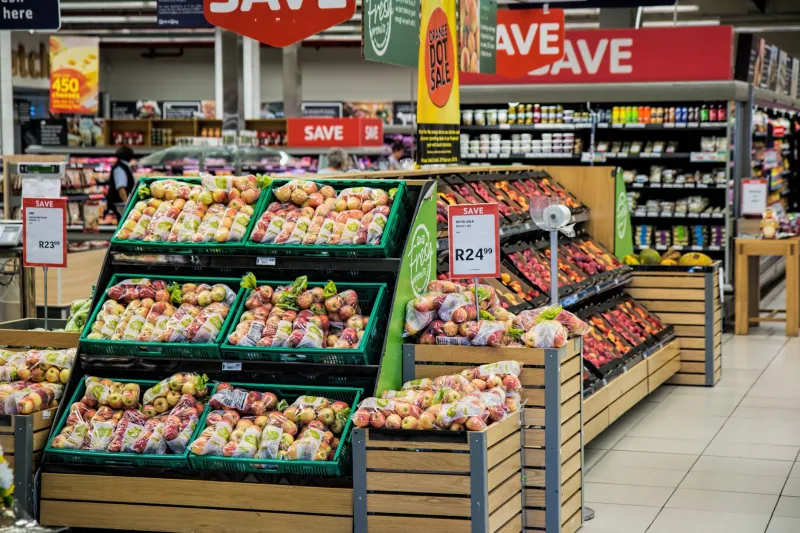
Walk into any Whole Foods, scroll through Grove Collaborative, or browse the "conscious" section of your local co-op and you'll notice something immediately: doing the right thing apparently costs about 40% more than doing the wrong thing. That organic shampoo bar is $14. The conventional bottle next to it is $4.99. The fair-trade coffee is $18 a bag. The stuff in the red can is $9.
For a lot of shoppers, the mental math is quick and painful. You want to buy ethically. You just don't always want to pay for it — especially when rent is due and your student loans are still very much a real thing.
But here's the question nobody seems to want to answer directly: Is that price gap actually real? As in, does it reflect genuine costs baked into the supply chain — living wages, cleaner materials, responsible sourcing — or is some of it just... branding? Aspirational packaging? A very targeted Instagram ad campaign?
We spent several weeks comparing prices, talking to supply chain experts, and running side-by-side product analyses across three major categories. What we found is messier than either side of the debate wants to admit.
The Honest Case for Higher Prices
Let's start where the premium is genuinely earned, because it does exist — and dismissing it entirely would be intellectually dishonest.
Organic certification through the USDA isn't free. Brands pay annual fees, fund third-party audits, and navigate a documentation process that can cost small producers tens of thousands of dollars a year. Fair Trade USA certification carries its own set of fees and compliance requirements. B Corp status — increasingly a badge of legitimacy in the eco-space — requires a rigorous assessment that costs money and staff time to maintain.
Beyond certifications, genuinely sustainable manufacturing often involves real cost differentials. Sourcing recycled or bio-based materials typically costs more than virgin plastic or conventional cotton. Paying workers a living wage — not just minimum wage, but an actual living wage — adds to the labor line. Shorter, more transparent supply chains can reduce some costs but often increase others, particularly for smaller brands that don't have the volume leverage to negotiate rock-bottom rates with suppliers.
Dr. Erin McCoy, a supply chain sustainability researcher who has consulted with both startups and mid-size consumer brands, put it plainly: "When a brand is genuinely doing the work — paying fair wages, sourcing responsibly, investing in lower-impact materials — you should expect to see a price premium of somewhere between 15 and 35 percent in most categories. That range is defensible. What gets harder to justify is when you start seeing 80, 100, 150 percent markups."
That's where things get uncomfortable.
The Part Nobody Wants to Say Out Loud
We ran a comparison across 30 product pairs — matching conventional and eco-branded alternatives in personal care, cleaning supplies, and pantry staples. We looked at ingredient lists, certifications, manufacturing disclosures, and retail price per unit.
In roughly a third of the matchups, the premium was clearly justified. Real certification costs, traceable supply chains, meaningfully different ingredients. Fine.
In another third, the picture was murkier. Brands with impressive-sounding sustainability language on their websites but limited third-party verification. Packaging that screamed "earth-friendly" but contained the same core ingredients as the $6 drugstore version. Prices that were 60–90% higher with no corresponding transparency about where that margin was actually going.
And in the final third? Honestly, the premium looked a lot like a marketing tax. Beautifully designed labels. Founder stories built around hiking in Patagonia and having an epiphany. Vague commitments to "giving back" without quantified targets. These products weren't necessarily bad — but they weren't meaningfully greener than their conventional counterparts either.
The uncomfortable truth is that "eco" has become a positioning strategy as much as a production philosophy. And because most consumers don't have time to audit supply chains before grabbing something off a shelf, the signal — the look, the language, the vibe — often does the heavy lifting that evidence should be doing.
The Categories Where the Gap Is Most Inflated
Personal care is, by far, the category where marketing does the most work. Shampoos, lotions, and body washes are heavily influenced by perceived luxury, and "natural" or "clean" branding taps into that same psychological territory. We found price gaps as high as 200% for products with nearly identical active ingredient profiles — the main difference being the font choice on the label and whether the brand had a lifestyle blog.
Household cleaners are a mixed bag. Some genuinely reformulated products — using plant-derived surfactants instead of petroleum-based ones, eliminating synthetic fragrances — do carry real development and sourcing costs. But concentrated formulas, which are often both cheaper and more eco-friendly, are frequently underpriced relative to their diluted competitors. The math here actually favors the green option more than people realize.
Food is the most defensible category. Organic certification, fair trade sourcing, and regenerative agriculture practices all involve verifiable costs that show up in the price. That doesn't mean every premium food product earns its markup — but there's more correlation between cost and practice here than in personal care or home goods.
What to Actually Do With This Information
None of this means you should abandon eco-conscious shopping. It means you should shop smarter within it — which is kind of the whole point of what we do here.
A few things that actually help:
Ask for specifics. Vague sustainability claims are a red flag. Brands doing the real work tend to publish supply chain reports, list their certification bodies, and quantify their environmental commitments. If a brand's entire sustainability pitch lives on a single beautifully photographed webpage with no data, that's worth noting.
Look for third-party verification. USDA Organic, Fair Trade Certified, B Corp, Leaping Bunny, Rainforest Alliance — these aren't perfect, but they require external audits. Self-certified "natural" or "eco-friendly" claims require nothing.
Don't conflate aesthetics with ethics. Kraft paper packaging and a muted color palette do not a sustainable product make. Some of the most genuinely eco-responsible products look like they were designed in 1987.
Consider the math on concentrates and refills. In cleaning and personal care especially, concentrated or refillable products often have lower per-use costs and smaller environmental footprints. The upfront price looks higher; the actual value isn't.
Give yourself permission to buy conventional sometimes. Sustainable consumption is a practice, not a purity test. Spending less on a product where the premium isn't justified gives you more budget to spend intentionally where it actually matters.
The Bottom Line
The consciousness tax is real — and it's also, in some cases, a fiction that benefits brands more than the planet. The gap between what ethical production actually costs and what some brands charge for the perception of ethics is wide enough to drive a Patagonia-stickered Subaru through.
But that doesn't mean the whole project is a scam. It means the burden is on us, as consumers, to demand more transparency — and on brands to actually provide it. The ones with nothing to hide tend to show their work. The ones leaning on vibes and packaging tend to hope you won't ask questions.
We're asking. You should too.